Maintaining a healthy indoor environment is a top priority for homeowners, especially those with allergies or respiratory sensitivities. Carpets, while providing comfort and aesthetic appeal, can also serve as reservoirs for dust, pollen, pet dander, and other allergens that negatively impact indoor air quality. Over time, these particles accumulate deep within carpet fibers, contributing to allergic reactions, respiratory discomfort, and a generally unhealthy home environment. Professional carpet cleaning offers an effective solution, reducing allergen levels and improving air quality for residents. Understanding how carpets affect indoor air quality, the benefits of regular cleaning, and the techniques available for allergen control empowers homeowners to make informed decisions about their living spaces.
Carpets are highly effective at trapping airborne particles. Dust, pollen, and other microscopic allergens settle into fibers as air circulates throughout the home, creating a hidden buildup that is not easily removed with routine vacuuming. This accumulation can trigger allergic reactions, including sneezing, itchy eyes, nasal congestion, and asthma flare-ups. Children, elderly individuals, and those with preexisting respiratory conditions are particularly vulnerable to the effects of indoor allergens. Professional Carpet Cleaning Orem addresses this problem at its source by removing embedded contaminants that standard household cleaning often leaves behind.
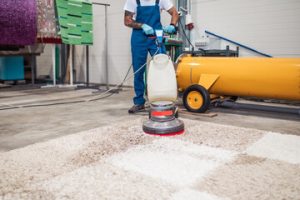
One of the primary benefits of carpet cleaning for allergy control is the reduction of dust mites. Dust mites are microscopic organisms that thrive in warm, humid environments and feed on human skin flakes. Carpets provide an ideal habitat for dust mites, which are a leading cause of allergic reactions. Deep cleaning removes dust, dead skin, and other debris that feed dust mites, disrupting their life cycle and reducing overall allergen levels in the home. Homeowners who clean carpets regularly often notice fewer allergy symptoms and improved comfort, particularly during peak allergy seasons.
Pet dander is another common allergen that carpets trap. Homes with cats, dogs, or other furry animals experience higher levels of allergens due to the shedding of skin cells. Pet dander can settle deep into carpet fibers, where it is difficult to remove without professional intervention. Carpet cleaning using hot water extraction, steam cleaning, or dry cleaning methods effectively lifts and removes pet dander, reducing exposure for occupants and minimizing allergy symptoms. Regular cleaning is especially important in households with children or individuals prone to respiratory sensitivities.
Mold growth in carpets can exacerbate allergy issues and pose additional health risks. Spills, high humidity, or water damage create conditions in which mold spores can thrive in carpet fibers or padding. Mold exposure can trigger allergic reactions, respiratory irritation, and even infections in sensitive individuals. Professional carpet cleaning addresses potential mold contamination by thoroughly drying carpets, applying antimicrobial treatments, and preventing conditions conducive to mold growth. By tackling mold at the root, carpet cleaning contributes to a safer and healthier home environment.
Several carpet cleaning methods are particularly effective for allergy control. Hot water extraction, also known as steam cleaning, uses heated water and specialized cleaning solutions to penetrate deep into carpet fibers, loosening dirt, allergens, and contaminants. Industrial-grade vacuums then extract the water and debris, leaving carpets cleaner and healthier. Dry cleaning techniques use minimal moisture and specialized compounds to lift particles, making them suitable for delicate carpet types or areas where quick drying is essential. Both approaches effectively reduce allergens, improve indoor air quality, and restore carpet appearance.
Routine vacuuming complements professional carpet cleaning, but it often cannot reach deeply embedded allergens. High-efficiency particulate air (HEPA) filter vacuums are more effective at capturing fine dust, pollen, and pet dander, preventing these particles from reentering the air. While regular vacuuming helps maintain surface cleanliness, periodic professional cleaning is necessary to remove deeper contaminants that accumulate over months or years. Establishing a cleaning schedule that balances frequent vacuuming with professional services maximizes allergen control and supports long-term indoor air quality.
Allergen reduction in carpets extends beyond the fibers themselves. Air circulation within a home can redistribute dust, pollen, and other particles from carpets to surfaces and into the breathing zone. Clean carpets act as a filter, capturing contaminants before they circulate widely, but when carpets are saturated with allergens, they can contribute to poor air quality. Professional cleaning removes these trapped particles, ensuring that the carpet performs its intended function as a contaminant sink without becoming a source of allergens. Improved airflow and reduced particulate matter enhance overall home comfort and occupant health.
Homeowners may benefit from focusing on high-traffic areas and rooms with the greatest allergen exposure. Living rooms, hallways, bedrooms, and areas frequented by pets tend to accumulate more dust, debris, and dander. Cleaning these areas regularly, both through professional services and routine vacuuming, significantly reduces allergen levels. Entryways are particularly important, as outdoor particles such as pollen and dirt are tracked inside. Mats, rugs, and scheduled carpet cleaning help capture these contaminants before they penetrate further into the home.
In addition to allergen removal, carpet cleaning preserves the longevity and appearance of flooring. Over time, dirt and debris embedded in fibers can cause abrasion, dulling the carpet and reducing its lifespan. Professional cleaning removes these particles, restoring fiber structure and maintaining a fresh appearance. Homeowners gain the dual benefit of improved indoor air quality and extended carpet durability, making routine cleaning an investment in both health and property value.
Environmental factors, such as humidity, climate, and outdoor air quality, influence allergen accumulation in carpets. Homes in areas with high pollen counts, dust, or frequent storms may experience faster allergen buildup. Similarly, homes with high humidity or moisture levels are more prone to mold growth and dust mite proliferation. Understanding these conditions helps homeowners determine optimal cleaning frequency and methods to mitigate allergen exposure. In many cases, seasonal professional cleaning aligned with peak allergy periods can significantly reduce discomfort for occupants.
Air purifiers and ventilation systems can complement carpet cleaning efforts, but they do not replace the need for professional deep cleaning. While air purifiers capture airborne allergens, they cannot remove particles embedded in carpet fibers. Ventilation helps circulate air and reduce indoor pollutant concentration, but does not address allergen accumulation at the source. Combining professional carpet cleaning with proper air filtration and ventilation maximizes indoor air quality, creating a healthier home environment.
Parents of young children or caregivers of elderly individuals should pay particular attention to allergen control in carpets. Children often play and sit on the floor, increasing direct exposure to dust, pollen, and pet dander. Elderly individuals may be more susceptible to respiratory irritation and infections caused by allergens. Regular carpet cleaning reduces these risks and creates a safer, more comfortable environment for vulnerable household members. Health-conscious homeowners can also use hypoallergenic cleaning solutions and antimicrobial treatments to further enhance the benefits of professional services.
The financial benefits of regular carpet cleaning for allergy control extend beyond medical savings. Preventing allergy-related symptoms reduces the need for over-the-counter medications, doctor visits, and missed workdays. Additionally, well-maintained carpets last longer, delaying replacement costs and preserving home value. When combined with routine vacuuming, proper ventilation, and strategic allergen management, professional carpet cleaning provides both immediate and long-term returns on investment for homeowners.
Implementing a consistent carpet cleaning schedule is essential for maintaining indoor air quality. Most experts recommend professional cleaning every 12 to 18 months for average households, with more frequent service for homes with pets, smokers, or family members prone to allergies. Combining this schedule with weekly or biweekly vacuuming ensures that allergens are removed before they accumulate significantly, reducing potential health risks and maintaining a clean, fresh home environment.
In conclusion, carpet cleaning is a vital tool for allergy control and indoor air quality improvement. Carpets naturally trap dust, pollen, pet dander, and other allergens, which can accumulate over time and impact health, particularly for sensitive individuals. Professional cleaning methods, including hot water extraction and dry cleaning, remove embedded contaminants, reduce allergen exposure, and restore carpet appearance. When combined with routine vacuuming, proper ventilation, and preventive measures, carpet cleaning supports a healthier home environment, enhances comfort, and contributes to long-term property maintenance.
By understanding the connection between carpets and allergens, homeowners can make informed decisions about maintenance, cleaning frequency, and methods. Strategic cleaning efforts not only improve indoor air quality but also promote overall health, comfort, and safety for all household members. Clean carpets serve as both a functional and aesthetic investment, ensuring that homes remain comfortable, inviting, and allergen-free for years to come.